




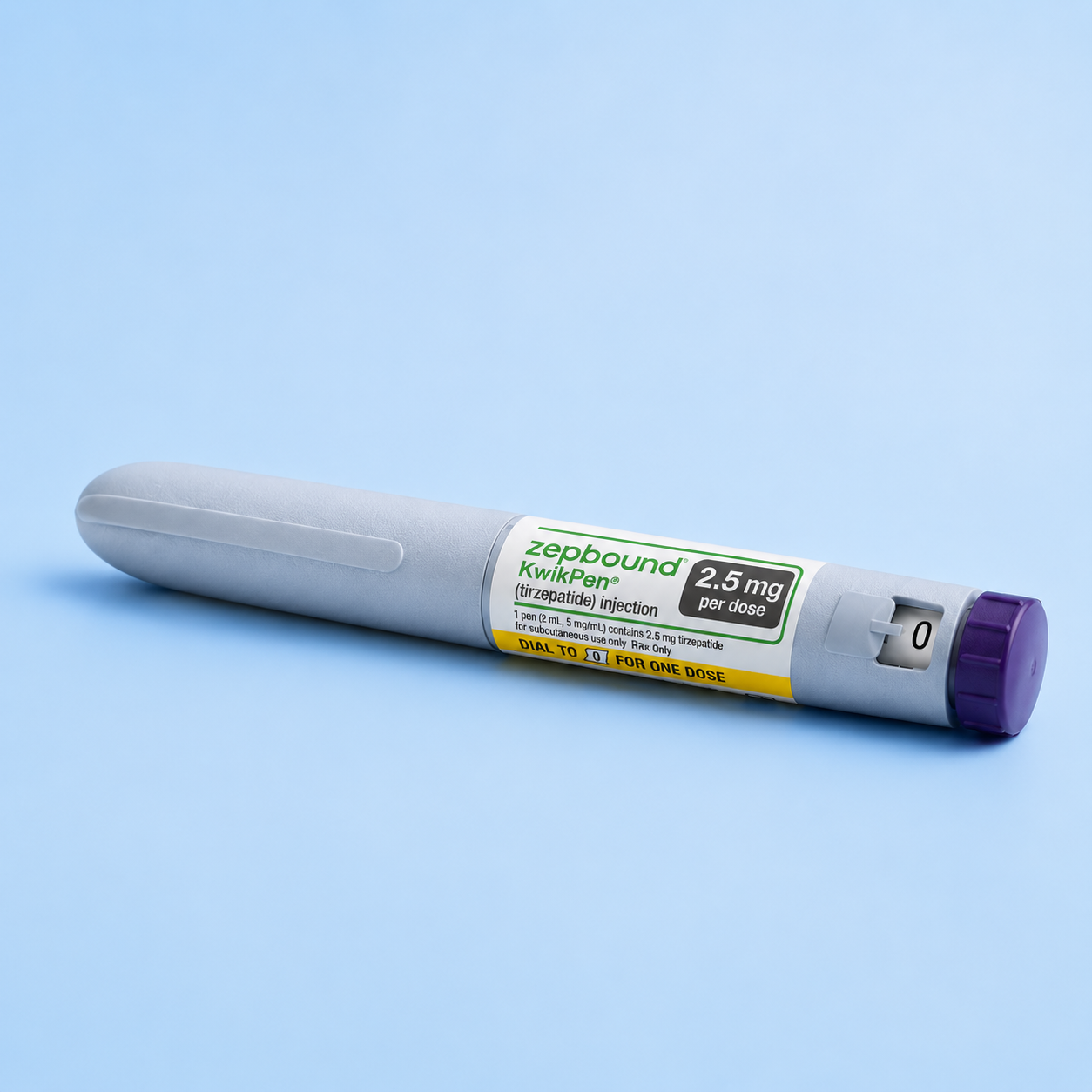
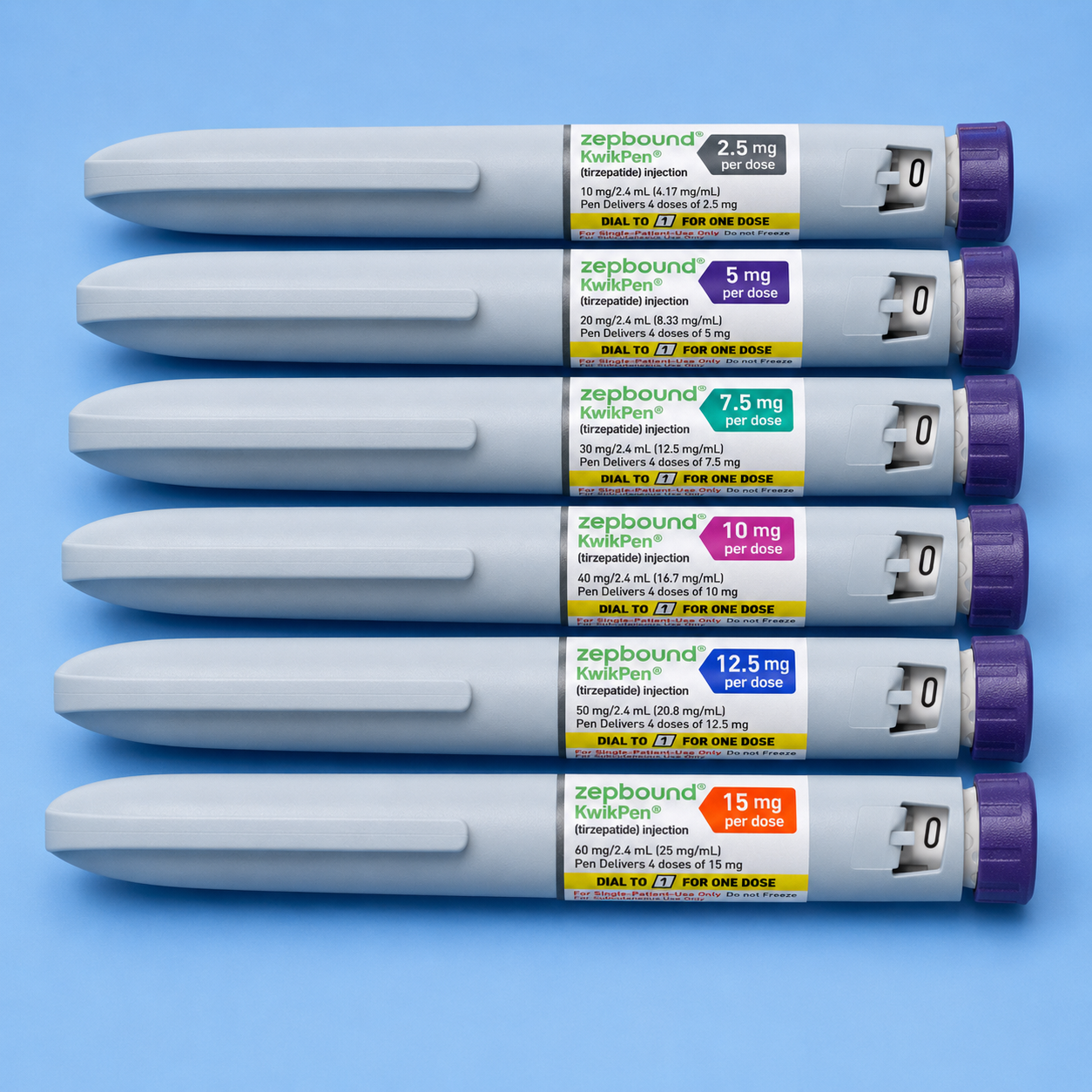


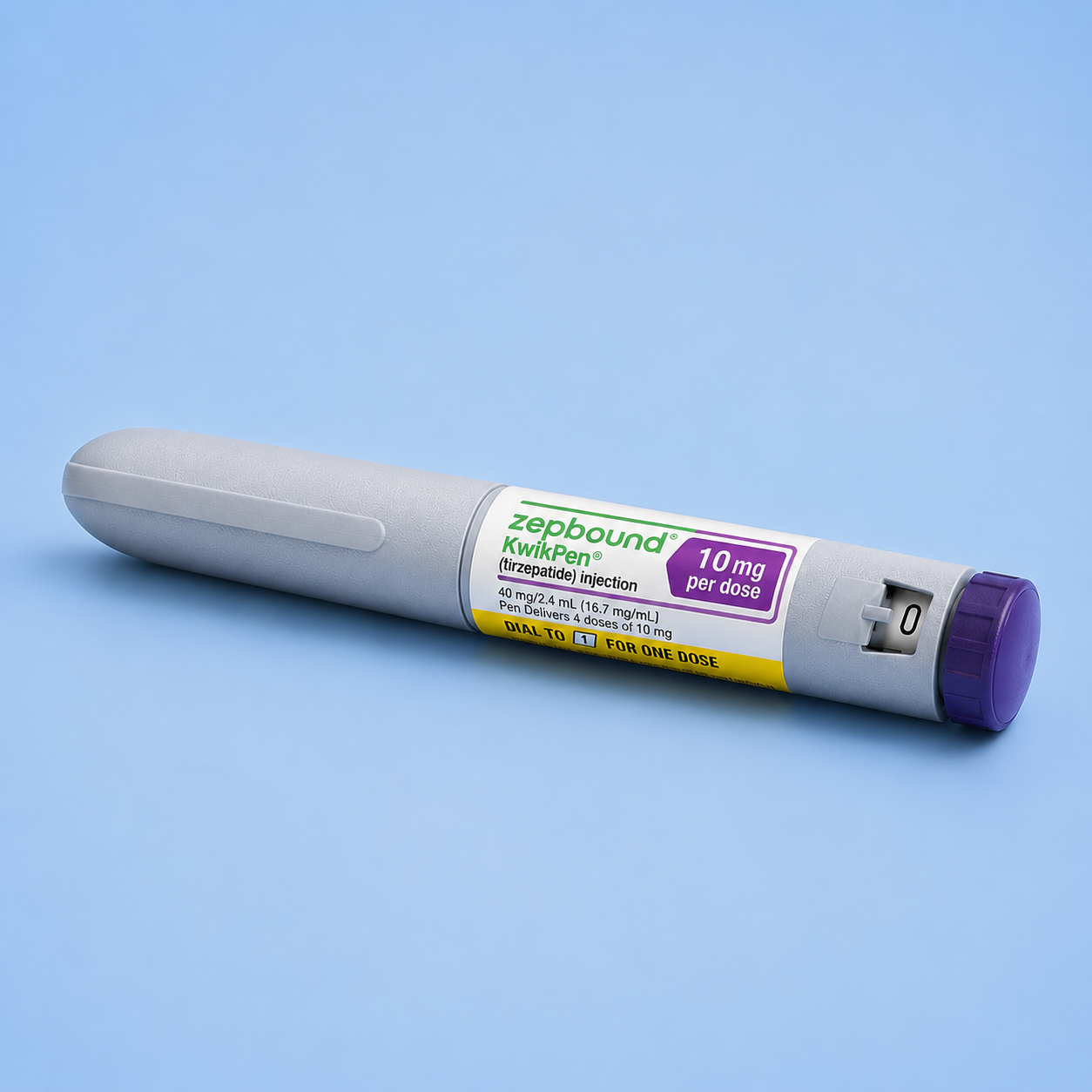
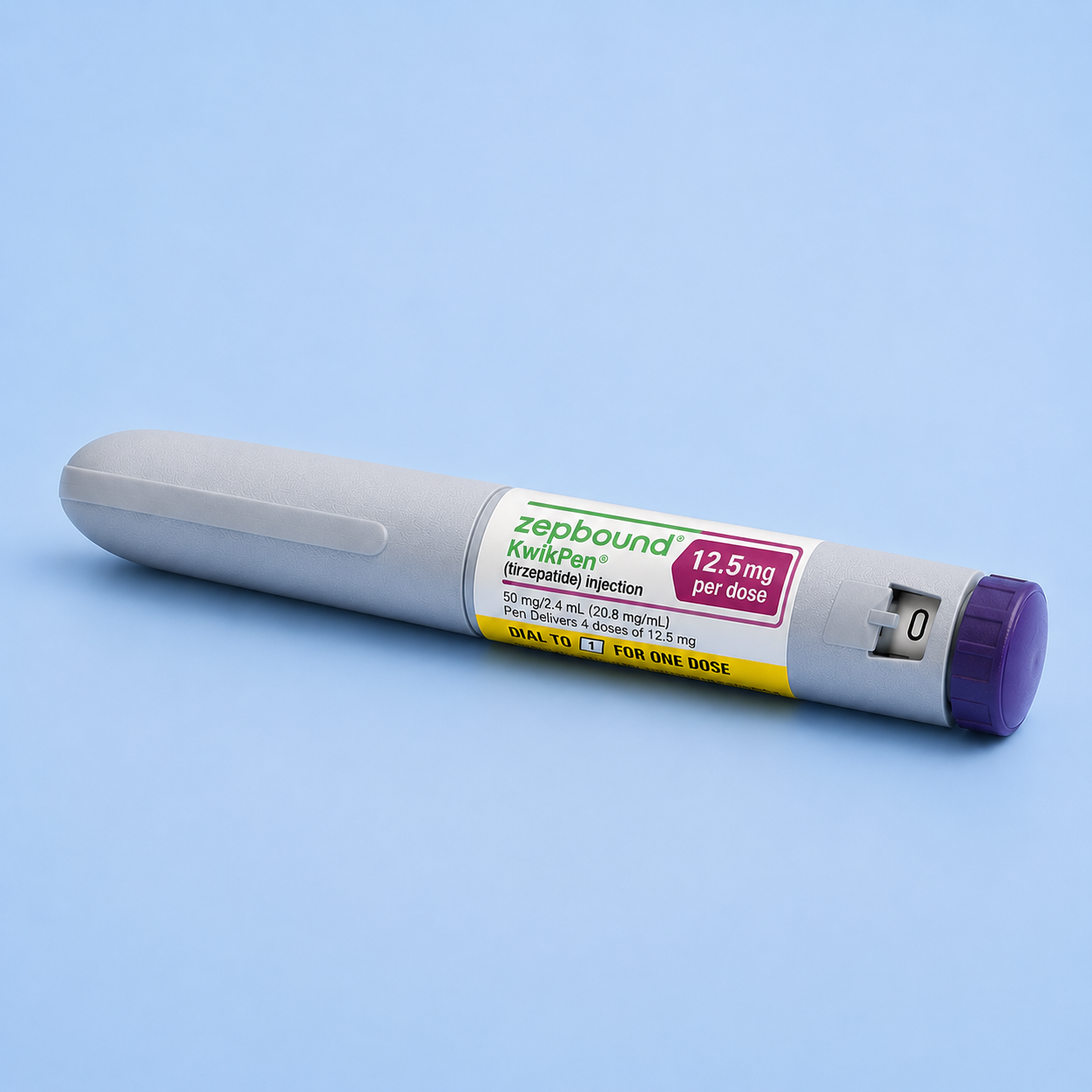

Zepbound® KwikPen®
Quick summary
Type of Medicine
Once weekly injectable acting on the GLP-1 and GIP hormones for weight management
Generic
No
Active Ingredient
Tirzepatide, delivered through a refillable multidose KwikPen
Effective Within
Hunger usually eases in the opening fortnight, with the most noticeable weight change arriving once you reach a maintenance dose after a month or two.
Works By
Switches on the GLP-1 and GIP hormones together, easing hunger and slowing how fast the stomach empties.
Side Effects
Most people notice queasiness, looser or firmer stools and early fullness while the dose climbs. Persistent severe abdominal pain should always be checked, as pancreatitis is an uncommon risk.
Product details
The KwikPen offers the same medicine that has reshaped obesity care, tirzepatide, in a format built around everyday convenience. Where the standard pen is a single dose, the KwikPen is a multidose device with the needle kept out of view and a single press to deliver each dose.
Tirzepatide works by switching on two of the gut hormones that govern appetite and fullness, GLP-1 and GIP. For many people that means less preoccupation with food, smaller portions without the constant battle, and weight that comes down at a steady, sustainable pace.
It is given once a week beneath the skin. The dose is raised in small steps over the opening weeks, a deliberate approach that keeps the stomach settled while the body grows used to the medicine.
- A multidose pen with a concealed needle and one press per dose
- Suits people who prefer fewer devices to handle and store
- Built up gradually so tolerability stays in your control
Because tirzepatide carries a boxed warning about a rare thyroid tumor observed in animals, it should not be used by anyone with a personal or family history of medullary thyroid cancer or MEN 2. Prescription only.
Tirzepatide as the active ingredient, in a sterile solution for injection.
MÉDETONE CARE MEMBERSHIP
More than medication. Care that stays with you.
Your membership gives you access to licensed healthcare providers and personalised support throughout your treatment journey.
Monthly care membership
Your first month
Membership is required for Médetone care services. Medication is charged separately.
What's included in your membership
Personalised care and support, all in one place.
Online prescription review
Licensed US providers review your assessment and determine whether treatment is appropriate.
Ongoing provider support
Get guidance from your care team throughout your treatment.
Dose and refill reviews
Ongoing dose assessments and prescription refill reviews, when clinically appropriate.
1:1 health coaching
Personalised one-to-one coaching to help support your health and treatment goals.
Your membership starts at $29 for the first month and automatically renews at $63/month from month two unless cancelled. Medication costs are separate. Prescriptions are subject to clinical approval.
How it works
From question to doorstep, in days not weeks.


Your success is worth celebrating
Real people. Real progress. Real support.



It was so much more than weight
Madeline’s mother died suddenly. Then her relationship ended. “I had all of these major changes and traumas, and I suppose, in a way, I turned to food to comfort me.”
She started avoiding photos. Her friends would say, “Get in the front we can’t see you.” She’d join in, but always hiding.
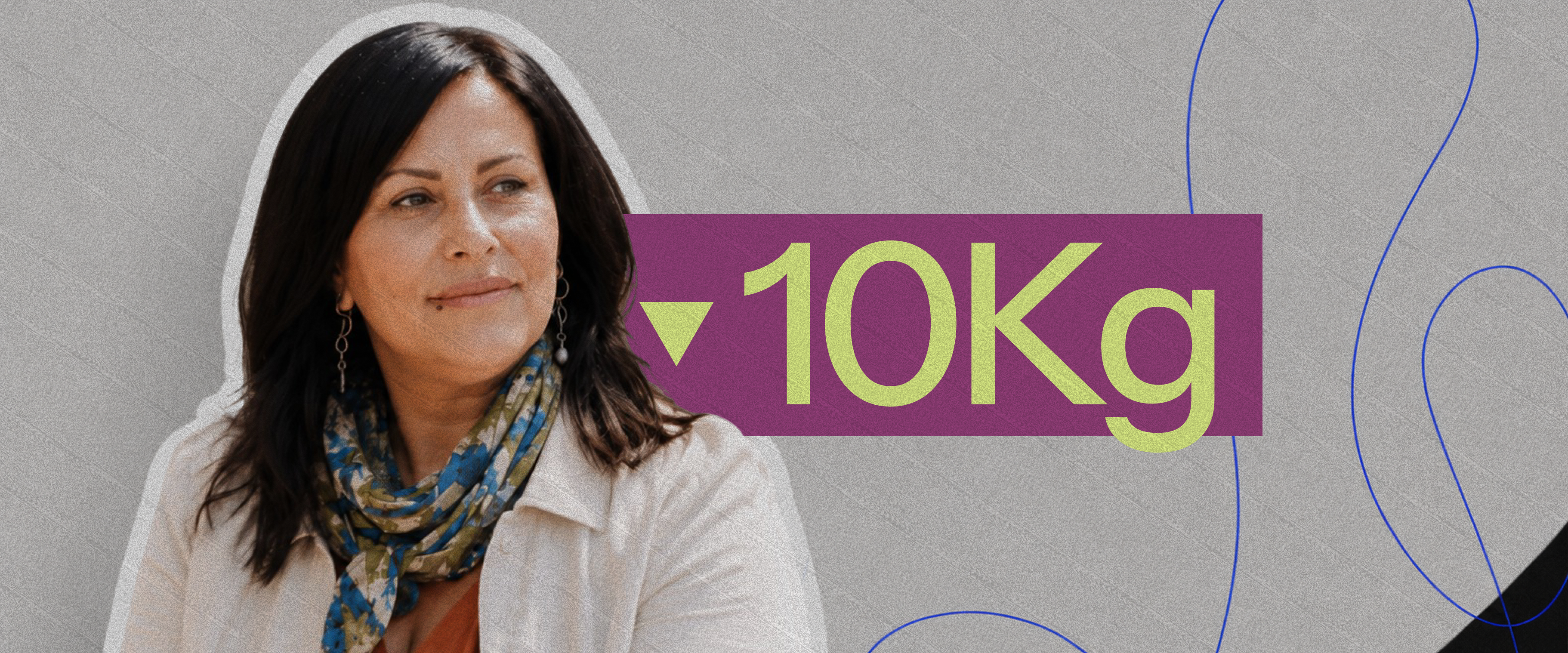
Why Helena finally started
“I went to the park with my daughter. She was running around and I got out of breath , I couldn’t be the mum I wanted to be.” Then Helena lost her dad, at just 57. “That was the turning point. Nothing is worth postponing in your life.”
Explore other FDA-approved treatments
For self-pay patients


