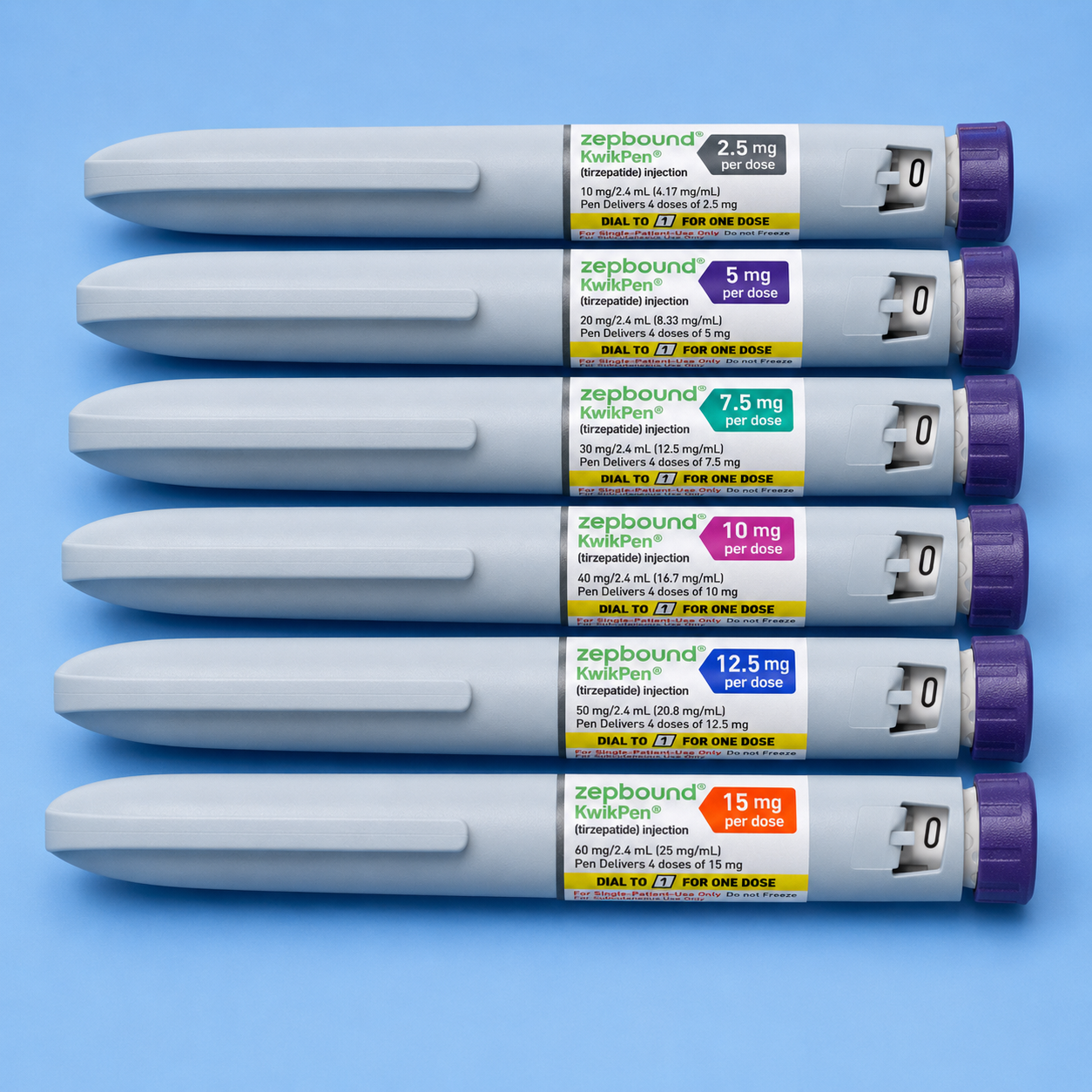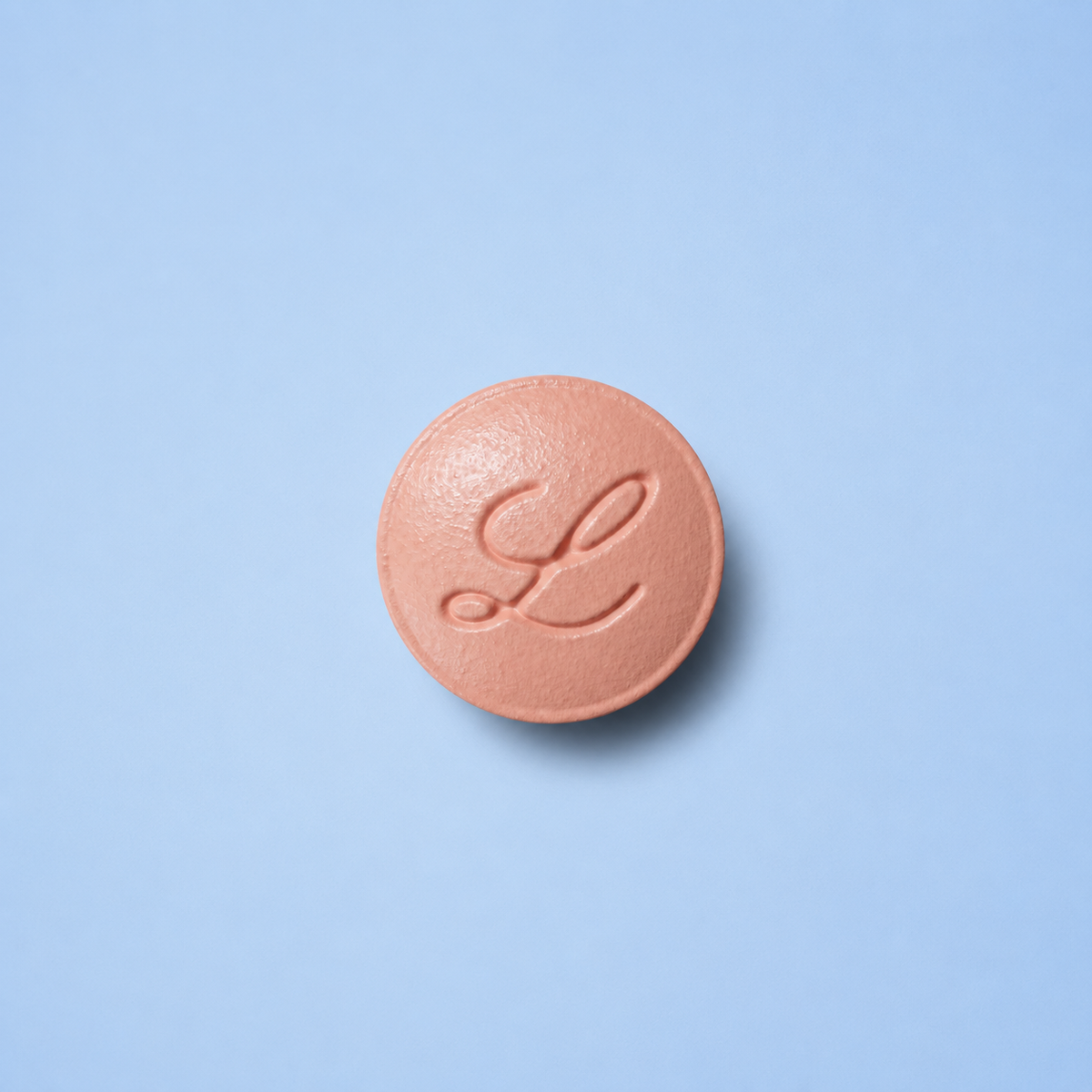
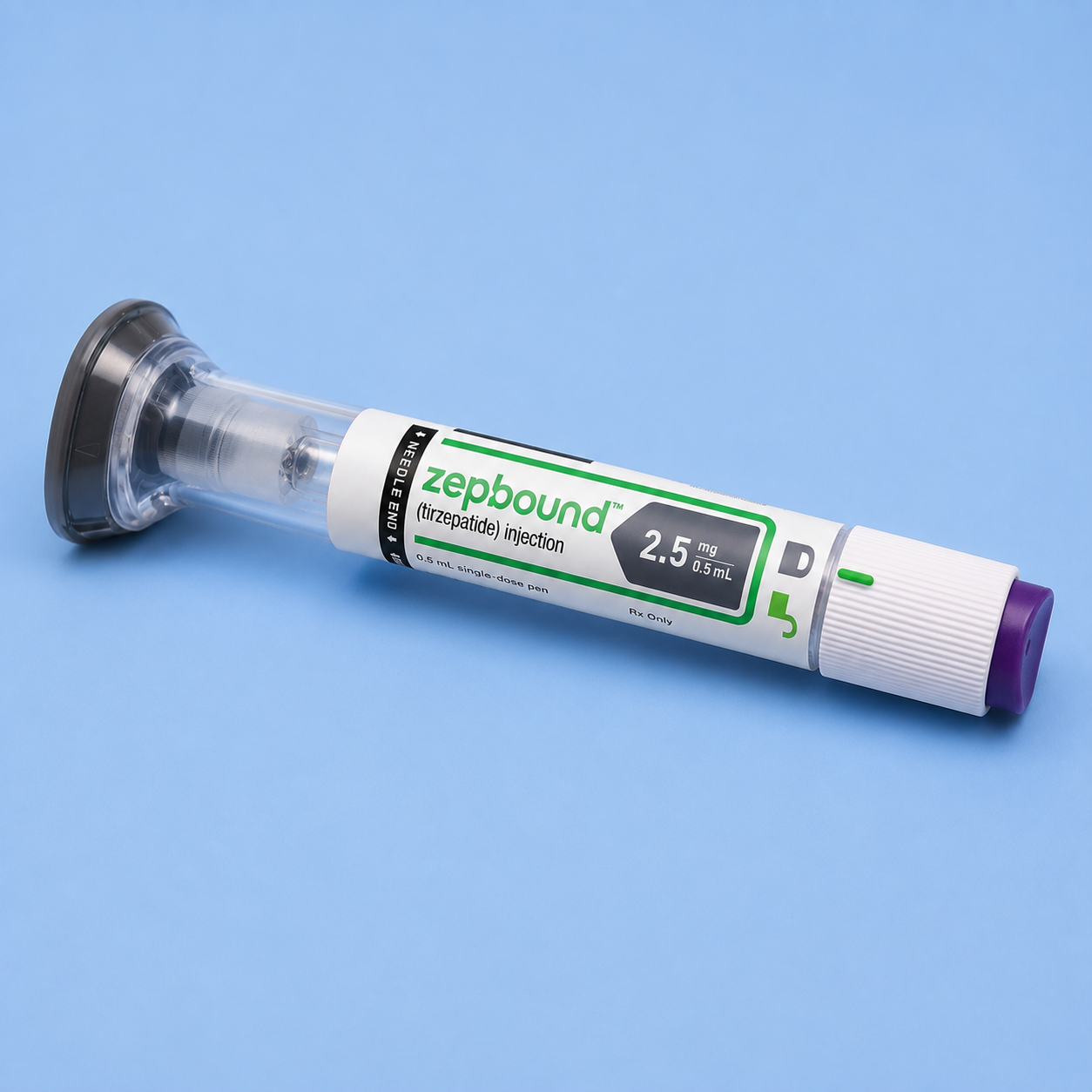
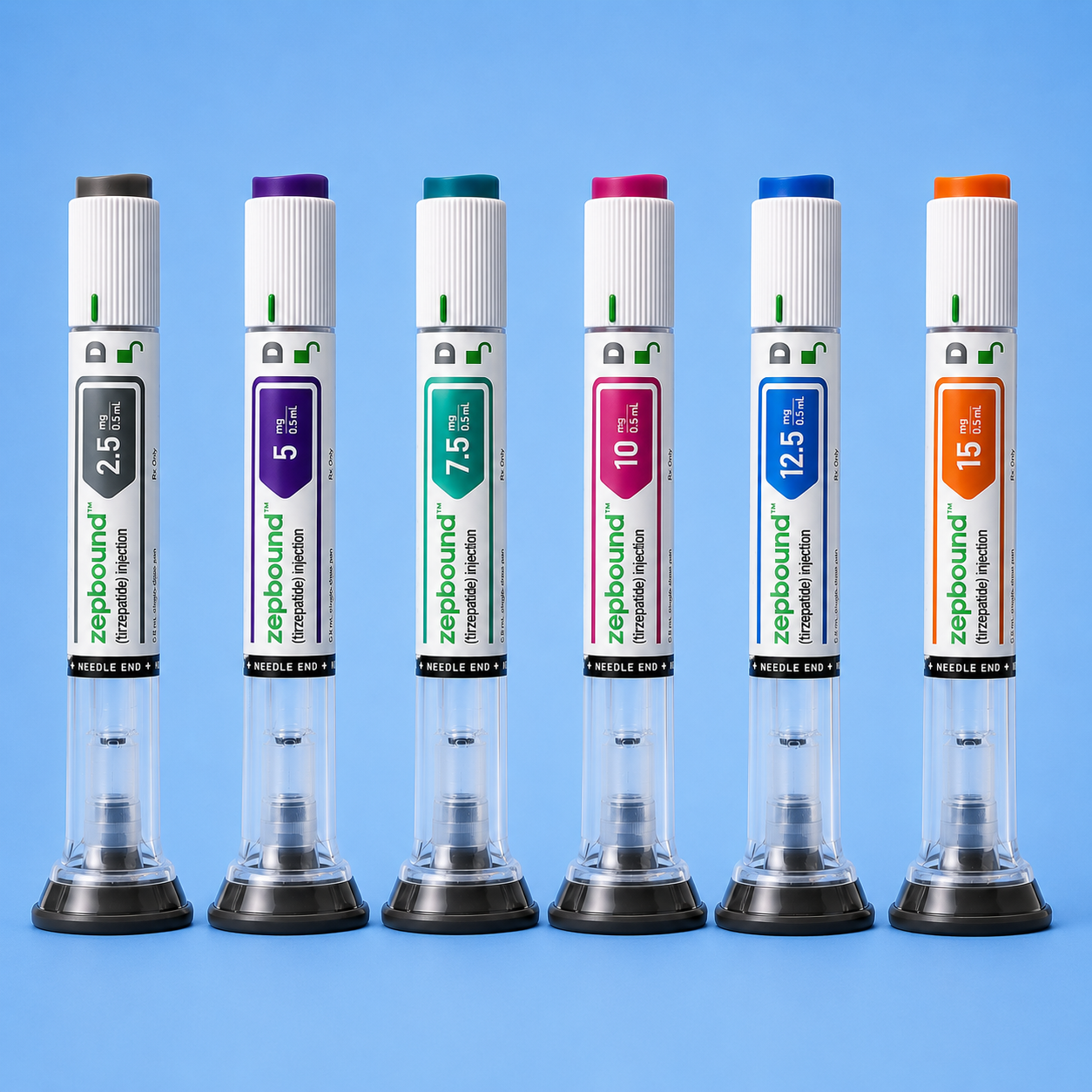
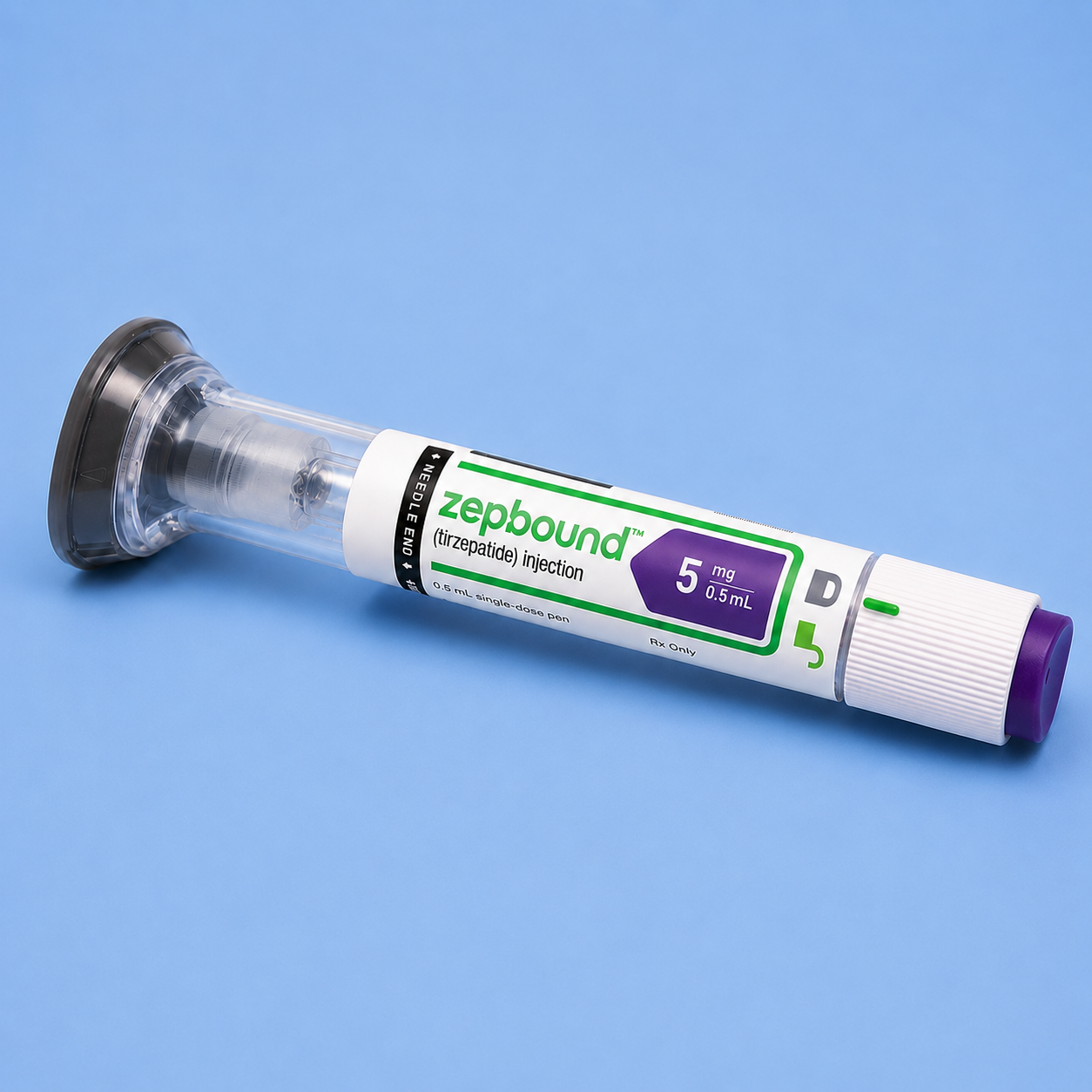
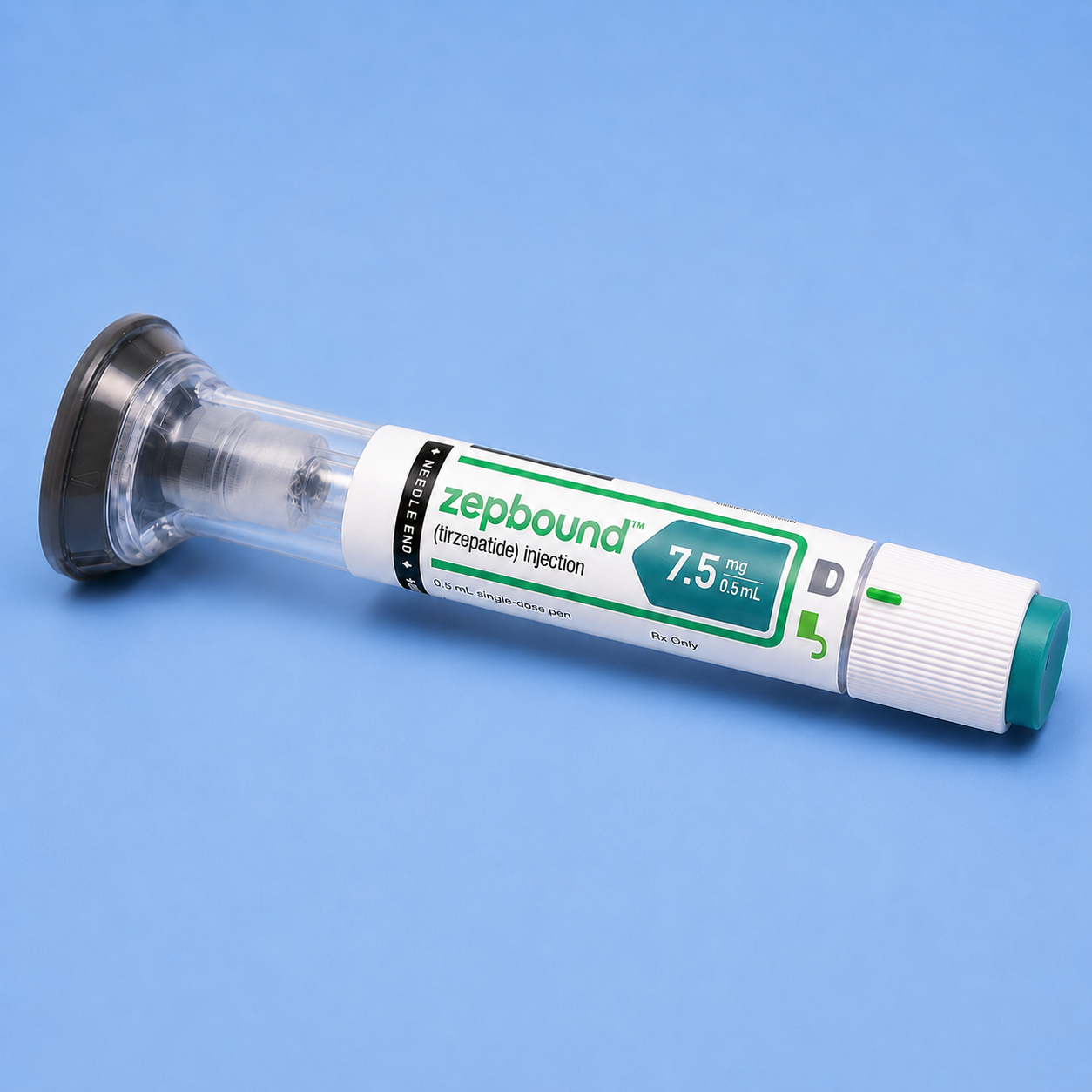
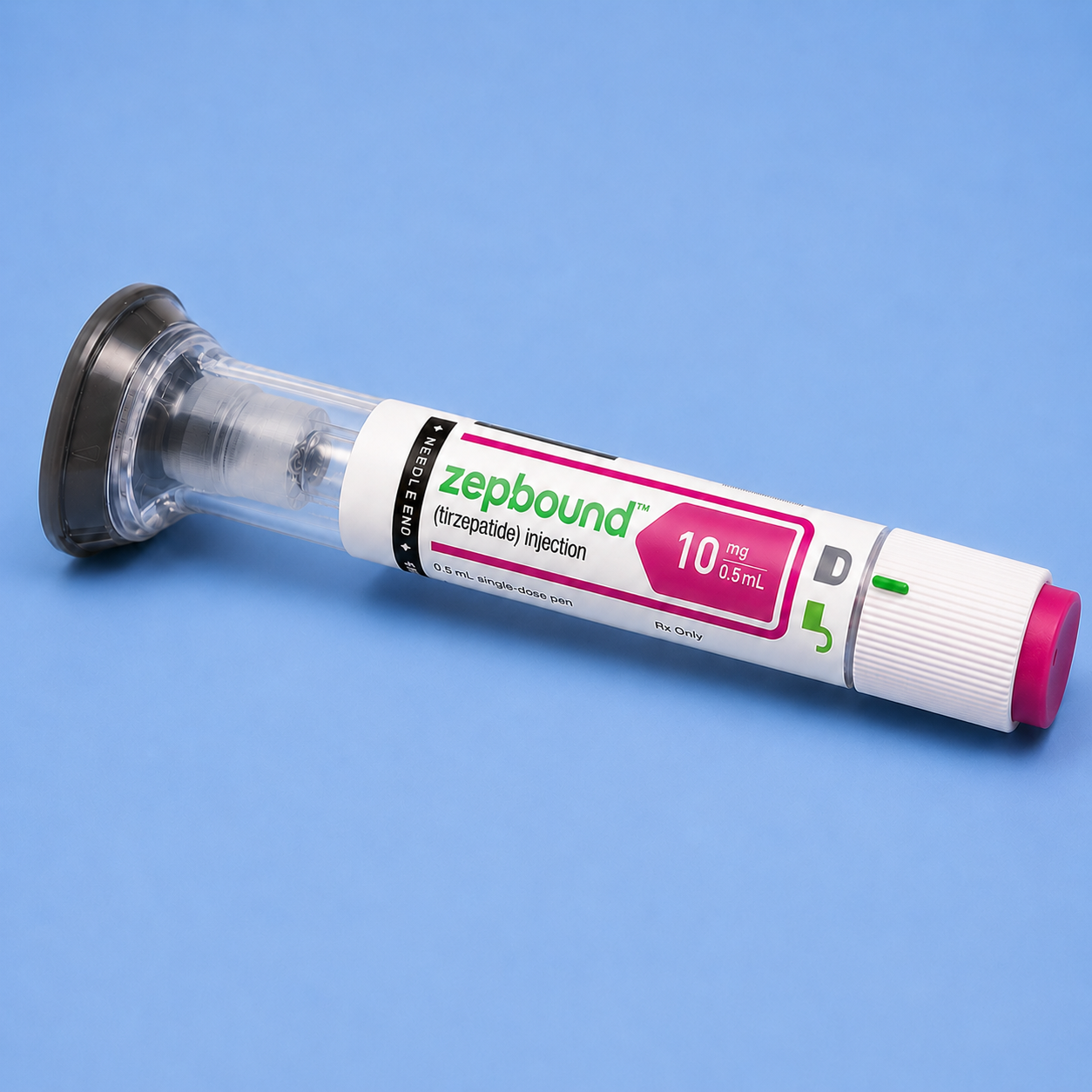
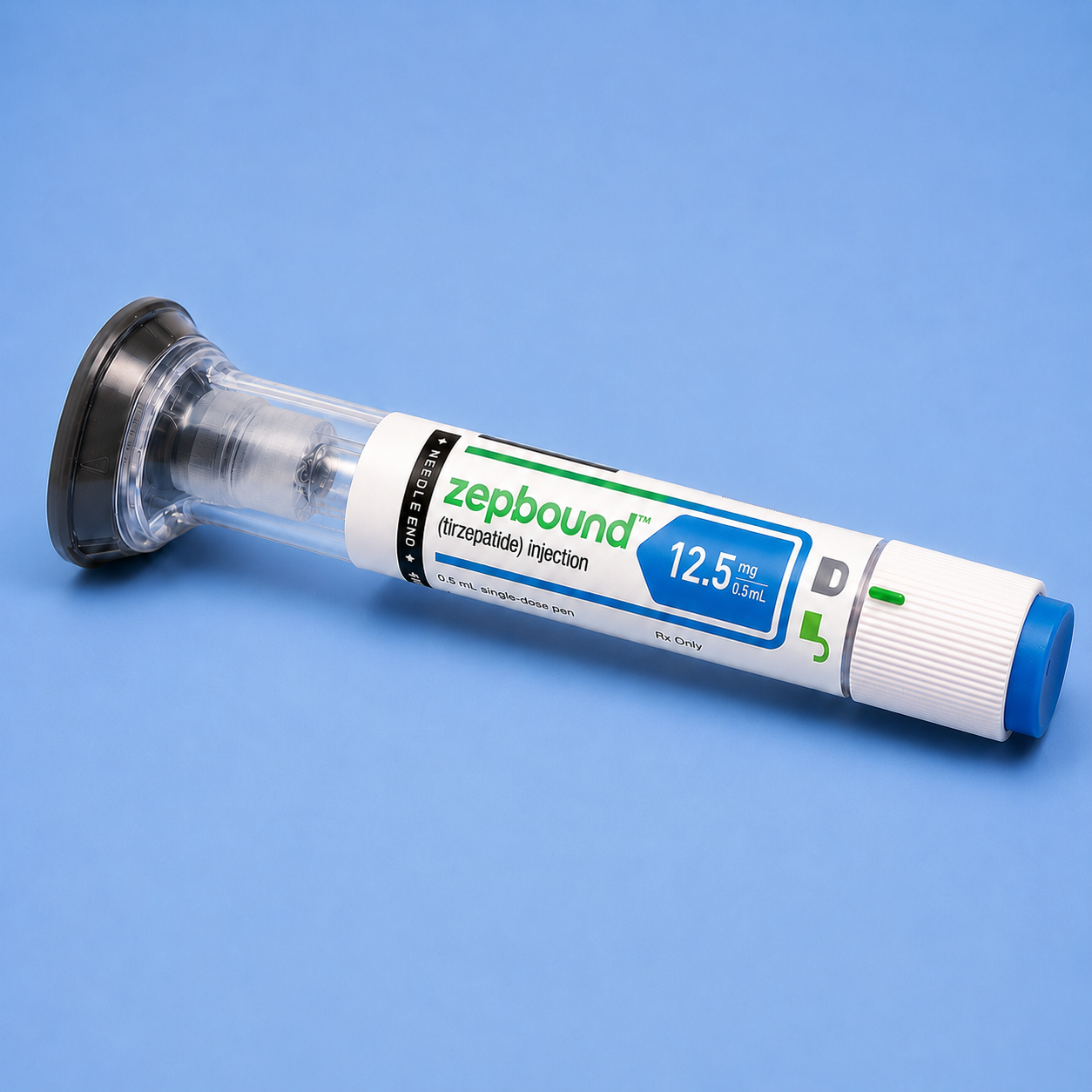
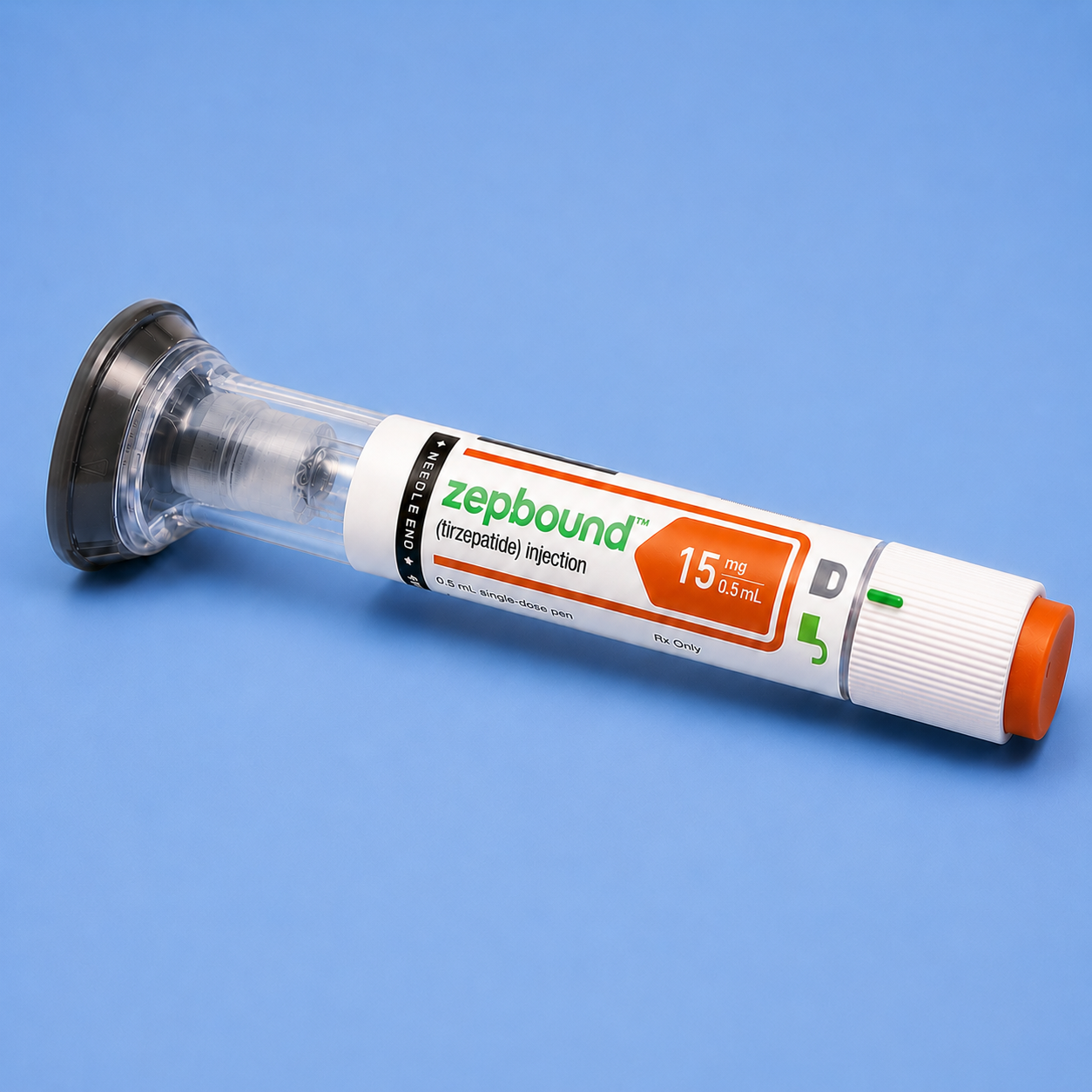
Images are illustrative only.

Quick summary

Type of Medicine

Dual GIP and GLP-1 receptor agonist.

Generic

No

Active Ingredient

Tirzepatide

Effective Within

Within a few weeks.

Works By

Eligible for patients with a BMI over 30, or over 27 if they have at least one comorbidity.

Side Effects

Nausea, vomiting, diarrhea, decreased hunger, stomach pain, and constipation.

Product details

Description

Once-weekly Zepbound is a prescription medicine that may help adults with obesity, or some overweight adults who also have weight-related medical problems to lose excess body weight and keep it off. Zepbound may also help improve moderate-to-severe obstructive sleep apnea (OSA) in adults with obesity. It should be used with a reduced-calorie diet and increased physical activity.

Zepbound contains tirzepatide and should not be used with other tirzepatide-containing products or any GLP-1 receptor agonist medicines. It is not known if Zepbound is safe and effective for use in children.

Directions

To use Zepbound effectively, start with the prescribed dose, injecting once a week on the same day. Administer injections in the abdomen, thigh, or upper arm, rotating sites to avoid irritation. Before injecting, clean your hands and the injection area. Let refrigerated medication warm slightly for comfort. Use clean techniques for needle attachment and injection, disposing of sharps properly. Store the medication in the fridge or briefly at room temperature as allowed. If a dose is missed, take it soon if within a few days; otherwise, skip it and never double dose. Regularly consult with your healthcare provider to adjust doses and discuss any side effects. Always follow your healthcare provider's detailed instructions.

Ingredients

Tirzepatide, the active substance in Zepbound, works by mimicking the actions of natural hormones in the body that regulate blood sugar and appetite. As a dual GIP (Glucose-dependent Insulinotropic Polypeptide) and GLP-1 (Glucagon-like Peptide-1) receptor agonist, it enhances insulin secretion in response to high blood sugar levels, slows down gastric emptying, and reduces appetite and food intake, leading to improved glycemic control and weight loss in adults with type 2 diabetes mellitus.

Side Effects

Gastrointestinal issues (nausea, vomiting, diarrhea, constipation), potential hypoglycemia (especially when used with other diabetes medications), injection site reactions, and possibly others depending on the individual's health condition and other medications being taken.

Warning

When using Zepbound (tirzepatide), important precautions include being vigilant for severe abdominal pain indicative of pancreatitis, monitoring blood sugar levels due to the risk of hypoglycemia when combined with other diabetes medications, reporting any changes in urination that could signal kidney issues, and seeking immediate medical attention for persistent digestive problems like vomiting or diarrhea. It's also crucial to inform your doctor of any personal or family history of thyroid cancer, given studies in rodents linking Zepbound-like medications to thyroid issues. Be alert for signs of allergic reactions, and if you're pregnant or breastfeeding, consult with your healthcare provider about potential risks.

Why choose weight loss medications?

GLP-1 receptor agonists are transforming the way we approach weight loss. Originally developed to help people with type 2 diabetes, these medications have since gained widespread approval for their effectiveness in weight management.

GLP-1 weight loss treatments work by mimicking natural hormones that help regulate appetite, slow digestion, and promote a feeling of fullness. Making it easier to reduce caloric intake and support sustainable weight loss.

Discover our Treatments

Proven results, backed by science

Weight loss medications targeting GLP-1 receptors offer clinically proven results for individuals with obesity or weight-related health issues. These treatments are not quick fixes. They are part of a long-term medical strategy designed to support a healthier lifestyle.

By reducing hunger signals and increasing feelings of fullness, GLP-1 therapies can help patients lose a significant percentage of their body weight when combined with lifestyle changes.

For those who have had limited success with diet and exercise alone, GLP-1–based products represent a modern and effective alternative, approved by regulatory authorities across the US.

Start your Consultation

FAQs

Please read our FAQs page to find out more.

How quickly does Zepbound start to work?

The onset of Zepbound's effects can vary, but patients may begin to see improvements in their blood sugar levels and weight within a few weeks of starting treatment. Continuous use in conjunction with diet and exercise enhances its efficacy.

Do I need a prescription for Zepbound?

Yes, Zepbound is a prescription medication. You will need to consult a healthcare provider to determine if it's appropriate for your condition and to receive a prescription. Using our online consultation service will enable you to answer a short questionnaire that would be used by one of our clinical prescribers to determine your eligibility for the treatment and approve or decline and refund your order.

How is Zepbound administered?

Zepbound is administered as a subcutaneous injection once a week. It can be injected into the abdomen, thigh, or upper arm, with the site of injection rotated each week to minimise the risk of skin irritation.

How should Zepbound be stored?

Zepbound should be stored in a refrigerator at 2°C to 8°C (36°F to 46°F). Do not freeze. Keep the pen in its original packaging to protect from light. Once in use, it may be kept at room temperature for 30 days.

What is the difference between Wegovy and Zepbound?

Wegovy and Zepbound are both injectable medications used primarily for weight management in adults, but they differ in their active ingredients and mechanisms of action.

Wegovy:

Active Ingredient: Semaglutide.
Mechanism of Action: Wegovy functions as a GLP-1 receptor agonist, mimicking the action of the glucagon-like peptide-1 hormone which regulates appetite and calorie intake. It enhances feelings of fullness and reduces hunger, leading to a reduction in food intake.
Usage: Approved for chronic weight management in adults with obesity or overweight with at least one weight-related condition such as hypertension, type 2 diabetes, or dyslipidemia.

Zepbound:

Active Ingredient: Tirzepatide.
Mechanism of Action: Zepbound is unique in that it acts as both a GLP-1 and GIP (glucose-dependent insulinotropic polypeptide) receptor agonist. This dual action not only helps in reducing appetite and food intake like GLP-1 agonists but also enhances insulin secretion in a glucose-dependent manner and possibly affects fat metabolism.
Usage: Initially approved for the treatment of type 2 diabetes, with promising results in significant weight reduction, leading to its approval for use in obesity management as well.

While both medications are part of a broader category of drugs used for metabolic management, the dual mechanism of Zepbound may offer broader metabolic effects compared to Wegovy. Both have shown effectiveness in weight loss and improvements in various metabolic parameters in clinical trials, but the choice between them may depend on individual health profiles, specific medical conditions, and healthcare provider recommendations.

Didn’t find your answer?

Don't hestitate to contact us